Where to stay in Matheran is a question about rhythm as much as location. The town is small and vehicle-free, so the difference between two properties is often the difference between walking five minutes to breakfast and walking twenty, or between a quiet garden and a busy market street.
This guide breaks Matheran into practical stay areas, explains which room types suit which trip, and lists the questions worth asking before you commit.
Quick answer
For a first visit, stay near M.G. Road and the market. You will be close to food, shops, local transport help and the main walking routes. Choose a quieter edge only if you are comfortable adding walking to every meal and outing, or if the property itself is the reason for the trip.
The main stay areas
M.G. Road and the market
This is the social centre of Matheran. It is where you will find shops, food options, local transport and the start of many walks. Staying here reduces logistical friction, especially on arrival day. The trade-off is that the area can be busier during weekends and holidays.
Quieter lanes and estate edges
A short walk from the market can feel surprisingly peaceful. Properties on larger grounds offer lawns, trees and space to sit outside. This suits couples, families who want room to play, and anyone who plans to spend an afternoon on the property. Check the path carefully if anyone has difficulty walking.
Near the railway station
Matheran station is close to the market and M.G. Road, so station-adjacent stays are convenient for arrival. They are less about views and more about reducing the first and last walk with luggage.
Near Dasturi Naka
Dasturi Naka is the vehicle entry point, not the town centre. Staying there can reduce the initial carry but leaves you away from the main walking routes. For most leisure visitors, it is less convenient than staying in town.
Which room type suits your trip
- Couples: a quieter room, a comfortable bed and a sit-out or garden access usually matter more than size. Ask for a room away from the dining area if you want early nights.
- Families: two beds or a room that takes a proper extra mattress. Confirm occupancy limits and whether the room has space for luggage and a pram.
- Friends: bed count and room splitting. Ask whether rooms connect or sit close together.
- Multi-generation groups: ground-floor access where available, short walking distances and a common sitting area.
- Short stays: a straightforward room near the centre is usually better value than a premium category you will barely use.
Questions to ask before booking
- How do guests reach the property from Dasturi Naka or the toy train station?
- Is the approach step-free, and how long does it take at an easy pace?
- What exactly is included in the meal plan, and at what times?
- What is the cancellation and date-change policy?
- Is hot water available at all hours, and is there power backup?
- Can the property help with luggage, a porter or a pony?
- What is the latest check-in time they can support?
Written answers are better than verbal assurances, especially for a weekend booking.
How the season changes the choice
In winter, clear views and comfortable walks make a property with outdoor space more valuable. In monsoon, drying space, indoor comfort and a safe approach matter more than a lawn. In summer, shade, ventilation and early access to walks help. If you are travelling in the rains, read our monsoon guide before deciding.
A central heritage option
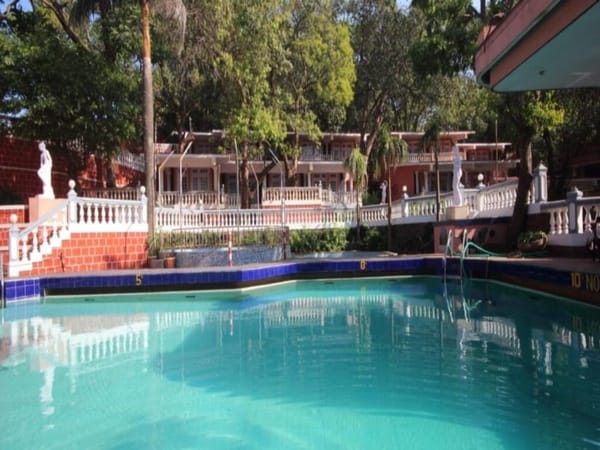
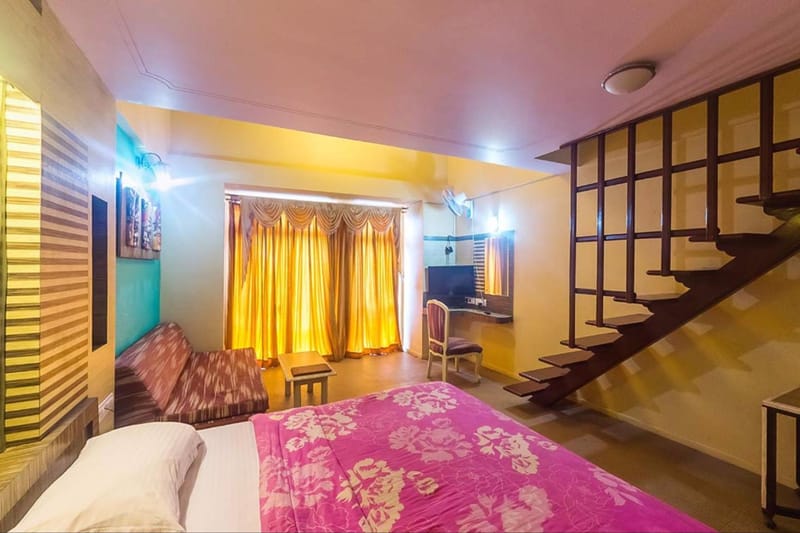
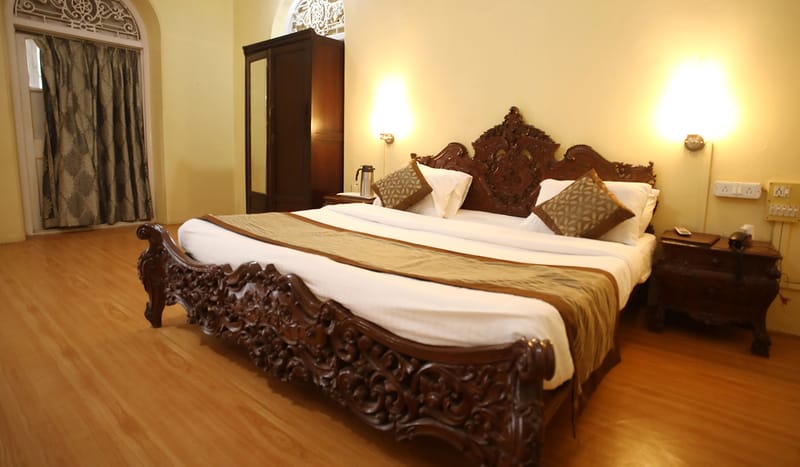
The Byke Heritage sits on M.G. Road on a seven-acre vehicle-free estate. It combines a central location with lawns, a pool, a restaurant, a spa and heritage cottages, which makes it a useful benchmark when comparing central properties. Room categories range from Deluxe rooms to the Byke Odyssey and Byke Royce cottages. You can see the rooms here or call +91 9138012962 with your dates and group size.
What a good arrival day looks like
Arrive in daylight if possible, leave your bags, and take a short walk to the market before dinner. Do not schedule a major viewpoint on arrival day. A good first evening is simple: food, orientation and an early night.
Tell the property your expected arrival time and ask what to do if you are delayed. A short phone call before you reach the final leg is more useful than a message sent from the road.
Budget vs comfort
A budget stay makes sense if you plan to be outdoors all day and only need a clean bed and a hot shower. A more comfortable property makes sense if you will spend afternoons on site, travel with children or want a pool and restaurant without leaving the property.
Do not pay for amenities you will not use. Do not cut costs on the things that affect sleep, safety or arrival logistics.
Accessibility and older guests
Ask about steps, uneven paths, room location and the distance from the drop-off point. If anyone has limited mobility, a central property with a short, straightforward approach is usually better than a scenic property at the end of a long path. Arrange luggage help in advance.
A final five-minute check
- Does the location match how much you want to walk?
- Does the room sleep your group comfortably, not just legally?
- Have you confirmed meals, timings and check-in?
- Do you know exactly how you will arrive with luggage?
- Do you have the property's direct phone number and a written confirmation?
If all five are clear, you have probably chosen well.